
Underground Power Trenching for Two Lake Cabins at Cocolalla Lake, Idaho
The owners of a lakefront cabin at Cocolalla Lake wanted to convert the existing overhead power to underground service for their cabin and their son’s neighboring cabin.
We installed roughly 300 feet of electrical trench and conduit, brought both cabin runs together at a new meter location, and set the meter post. The work had to fit through a tight, sloped property without removing any of the trees or creating more disturbance than necessary.
Running Underground Power Through a Tight Lakefront Property at Cocolalla Lake, Idaho
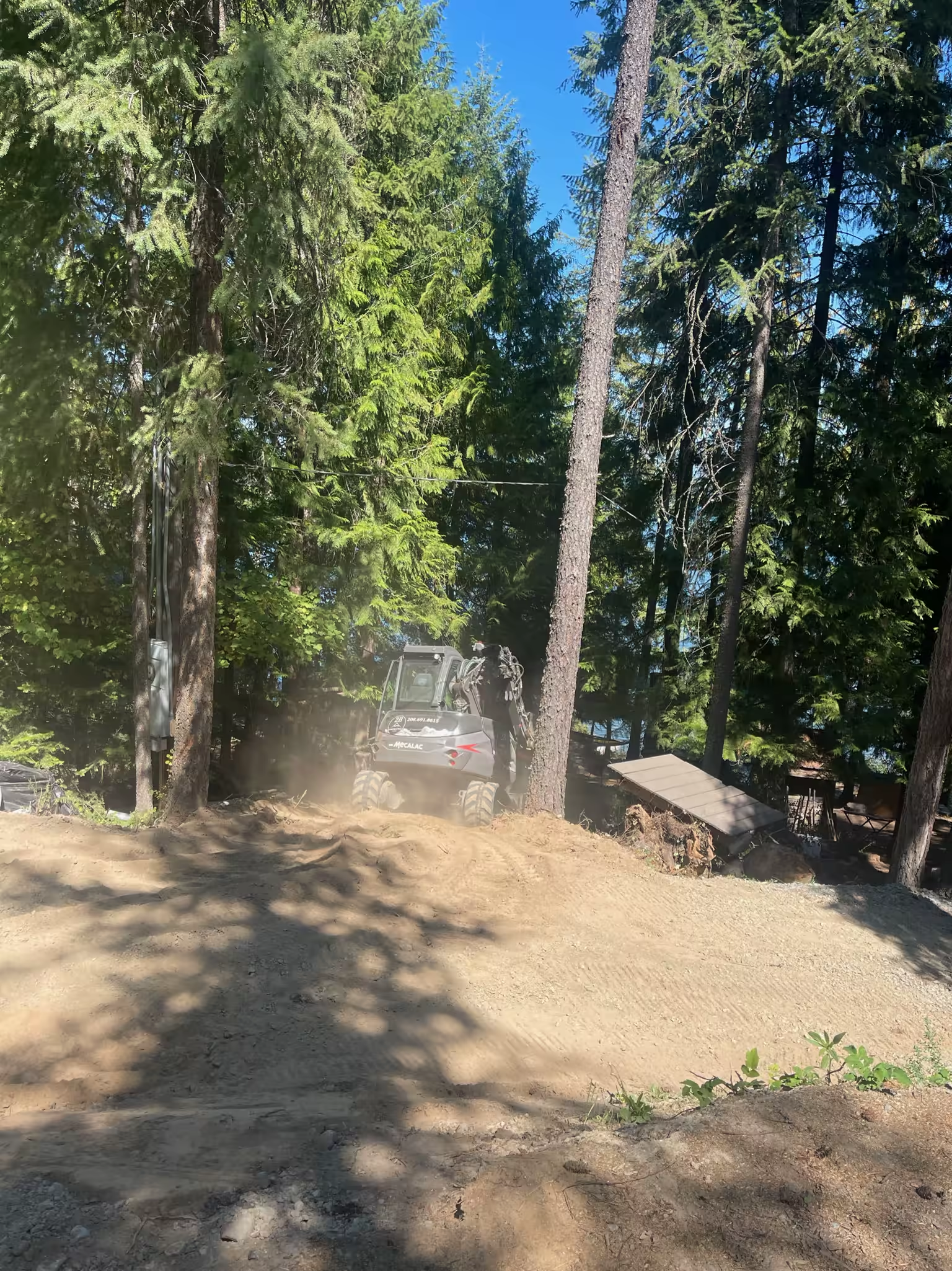
The property was moderately wooded, with a steep slope dropping from the road toward the cabins.
The owner’s wife had grown up visiting the cabin and had strong memories tied to the trees, rocks, and vegetation around it. Keeping those features intact was part of the job from the beginning.
The electrical work also had to happen in stages while the owners, power company, and electricians worked through the new service setup.
The Work Area Was Tight Around the Cabins
The lakefront lot offered limited room for equipment, especially as the route moved closer to the cabins.
We had to keep the trench and equipment movement controlled so the underground service could be installed without unnecessarily opening up the property.
Every Tree Had to Stay
The owners were clear that no trees could be removed.
That meant the conduit route and machine positioning had to work around the existing trees and vegetation rather than clearing a straighter path through the property.
The Route Dropped Steeply From the Road
The lot sloped steeply from the road before flattening out closer to the cabin.
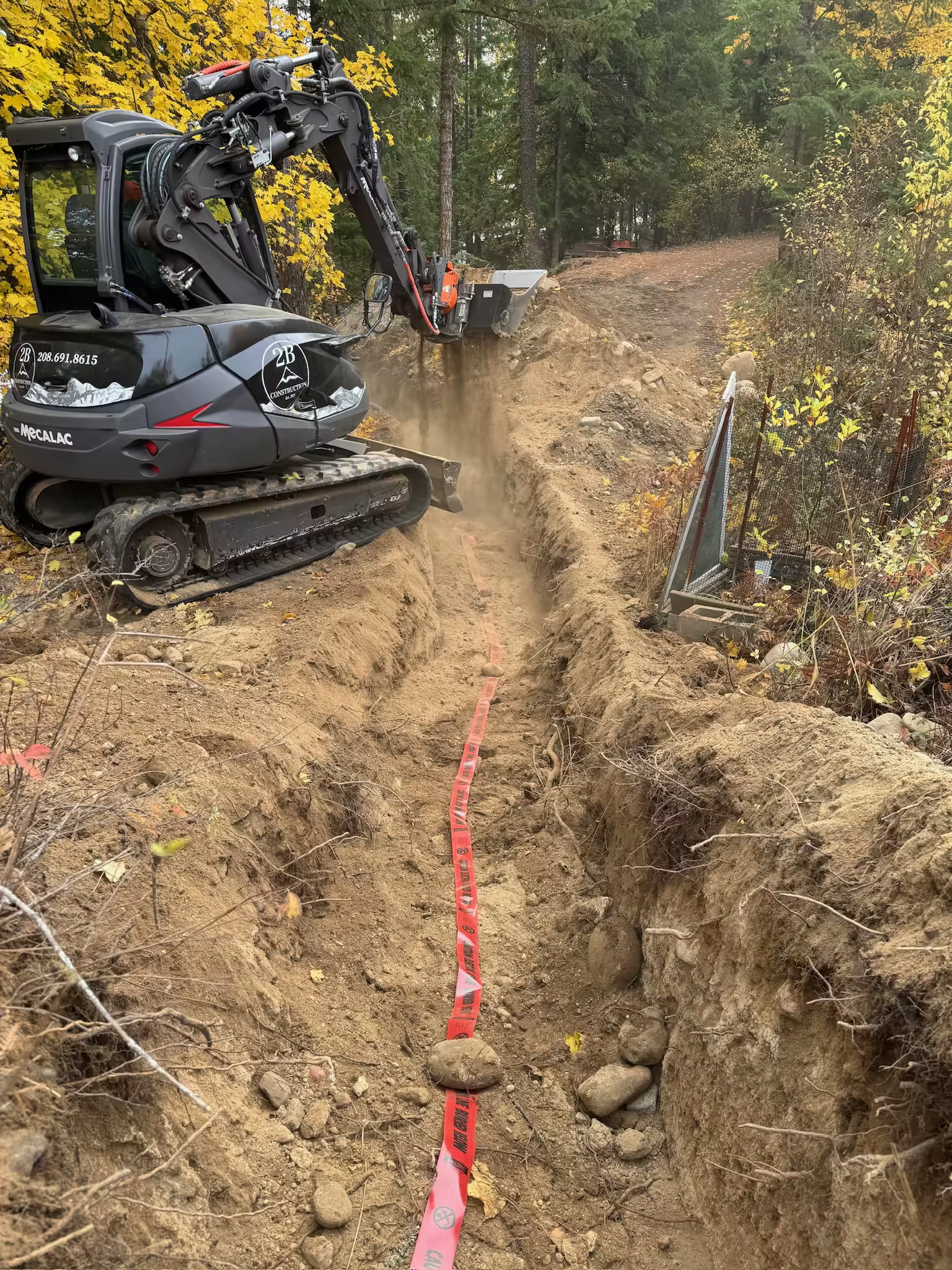
Our excavator’s tilt rotator gave us more control along that slope and allowed us to work around trees and other obstacles without constantly repositioning the machine.
The Work Had to Follow Power Company Scheduling
The underground conversion depended on the new pole, permits, and scheduling with the power company and electricians.
We installed part of the conduit while we were already on the property for earlier work, left it at an accessible point, and returned once the remaining utility work was ready to move forward.
The Work
The underground service was completed in stages as the new power setup came together.
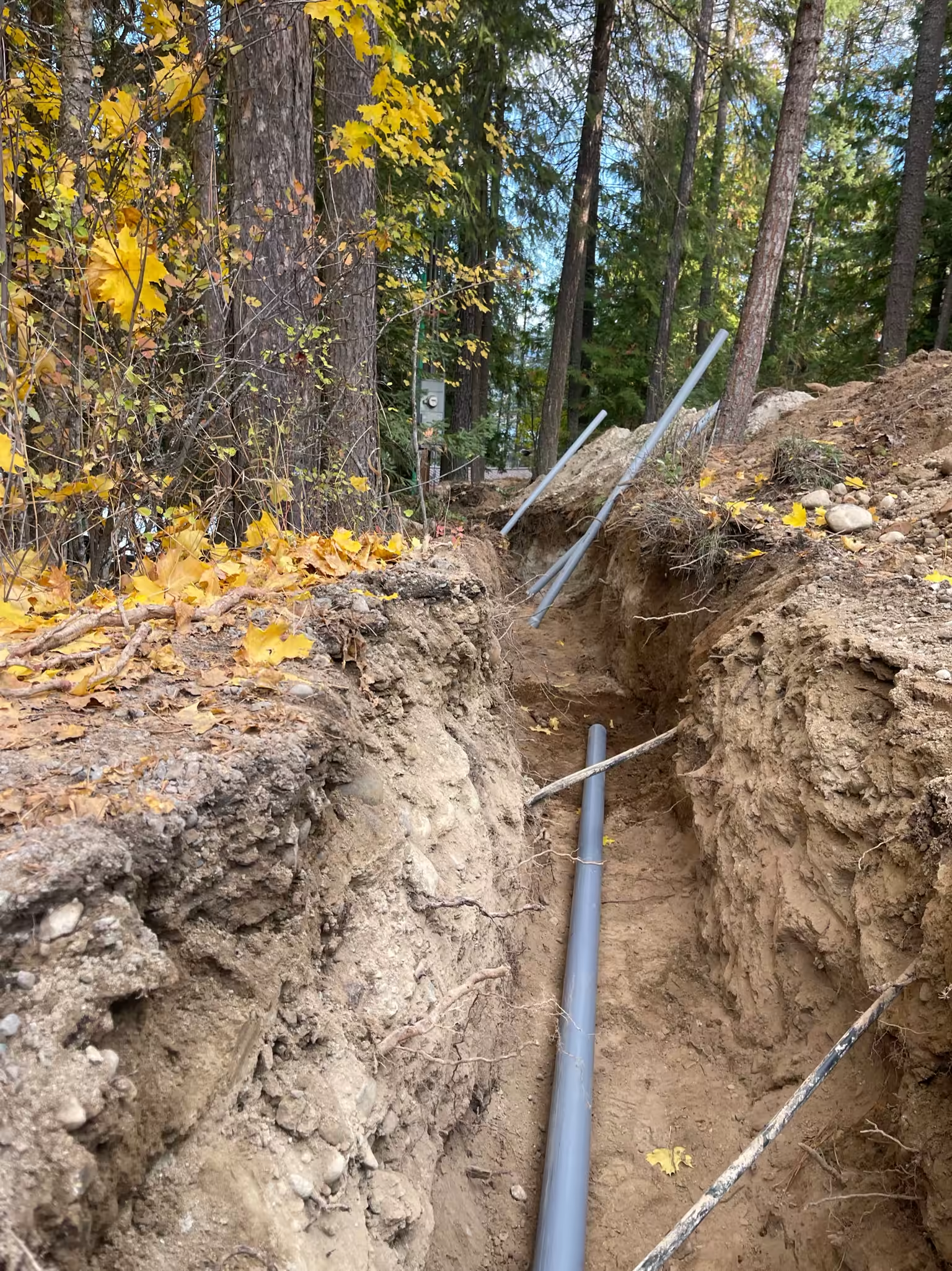
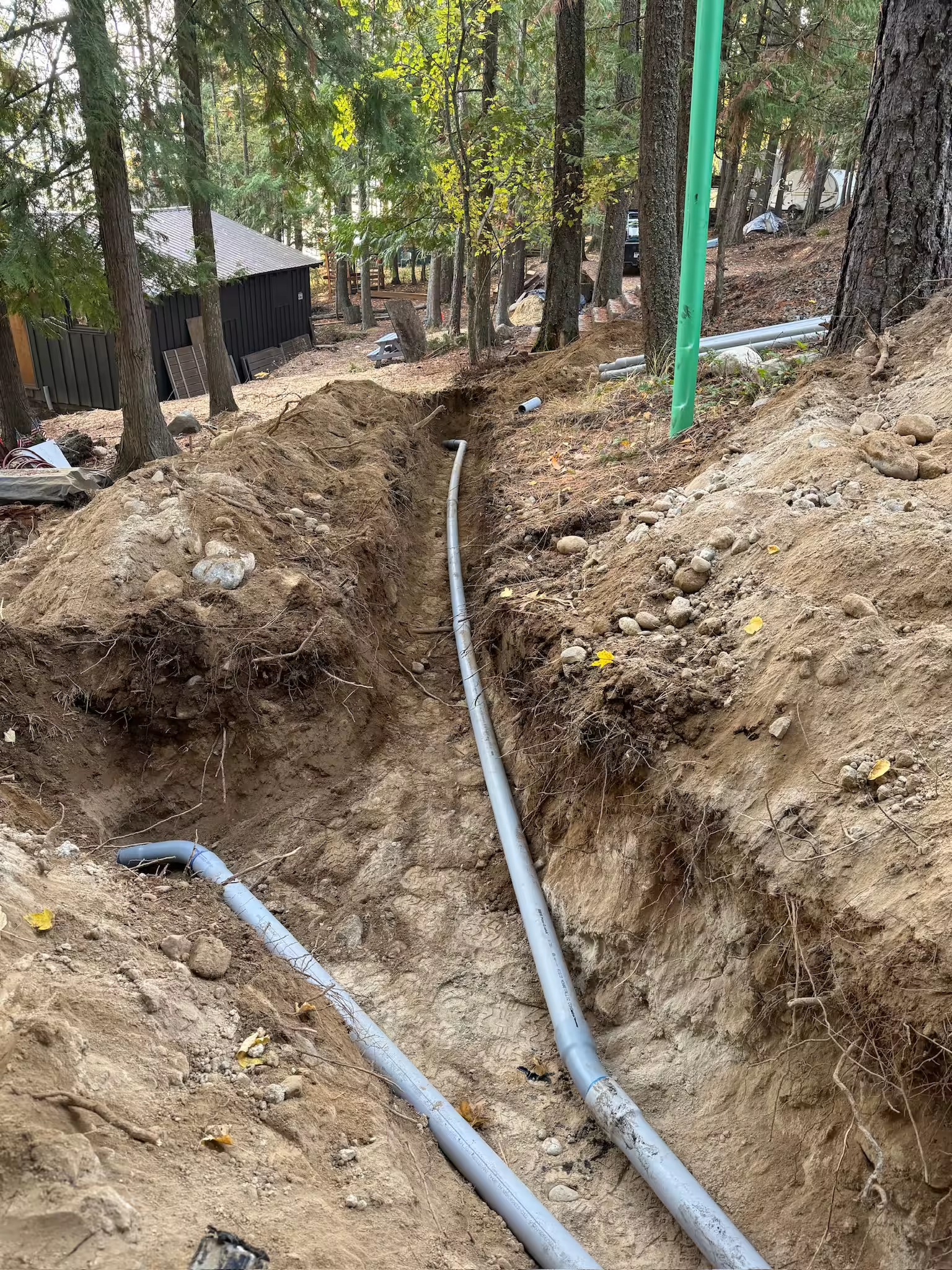
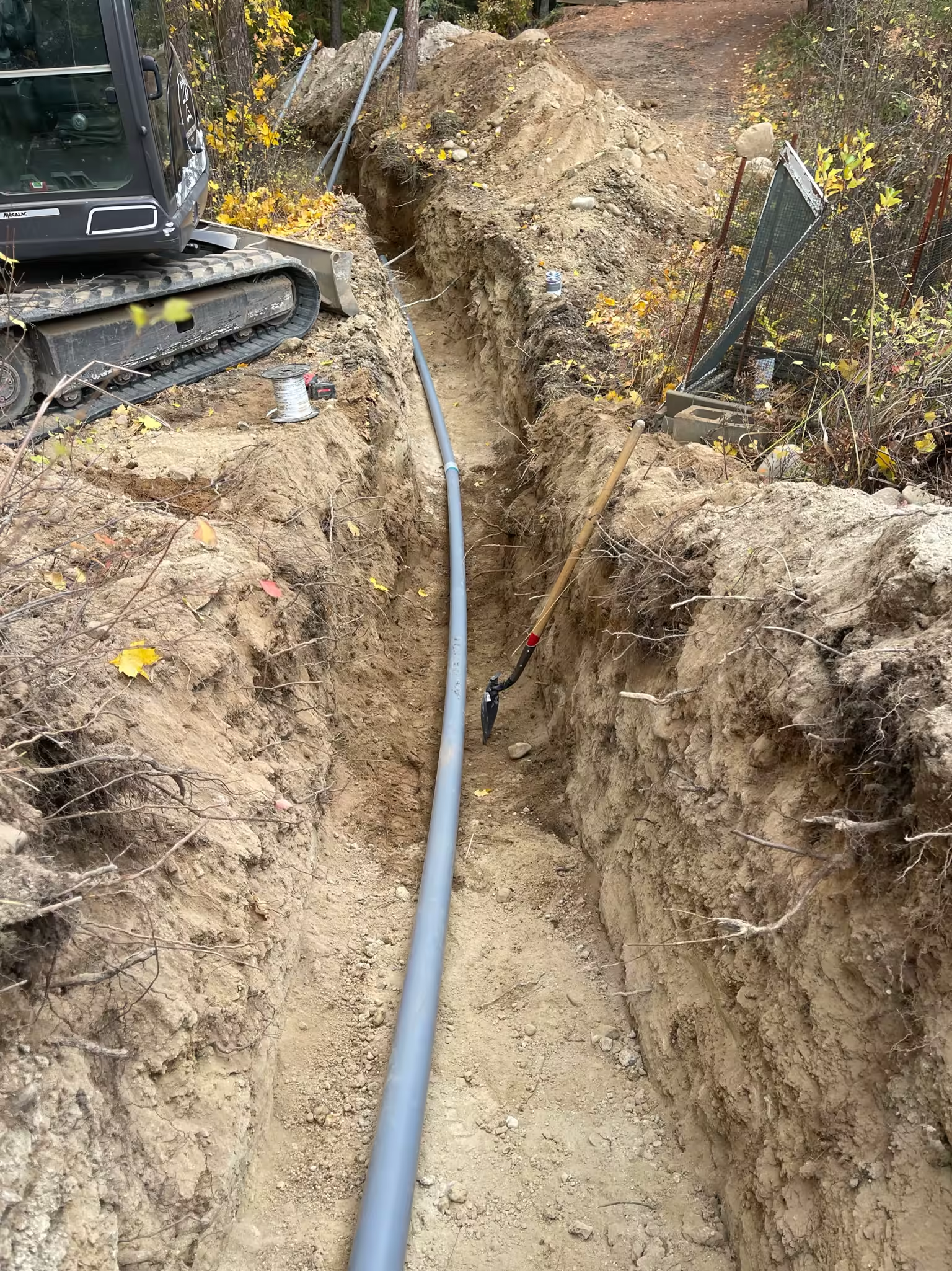
We ran conduit for both cabins, brought the two routes together at the meter location, set the meter post, and continued the main trench toward the new power pole across the road. Throughout the work, we kept the excavation tight around the existing trees, vegetation, and cabin improvements.
Planning the Route Around the Property
Before the full utility installation could move forward, we worked with the homeowners on where equipment could travel and how the conduit could be routed without removing trees.
The power company and electricians were also still working through the new service setup, so the route had to allow part of the work to be completed early and picked back up later.
- ◆Planned around existing trees so the underground route could be installed without removing the vegetation the homeowners wanted to preserve.
- ◆Worked within the available access on the sloped lakefront lot while keeping disturbance around the cabins to a minimum.
- ◆Coordinated the utility route around the future meter location, power source, and work still being scheduled with the power company.
Installing the First Conduit Run
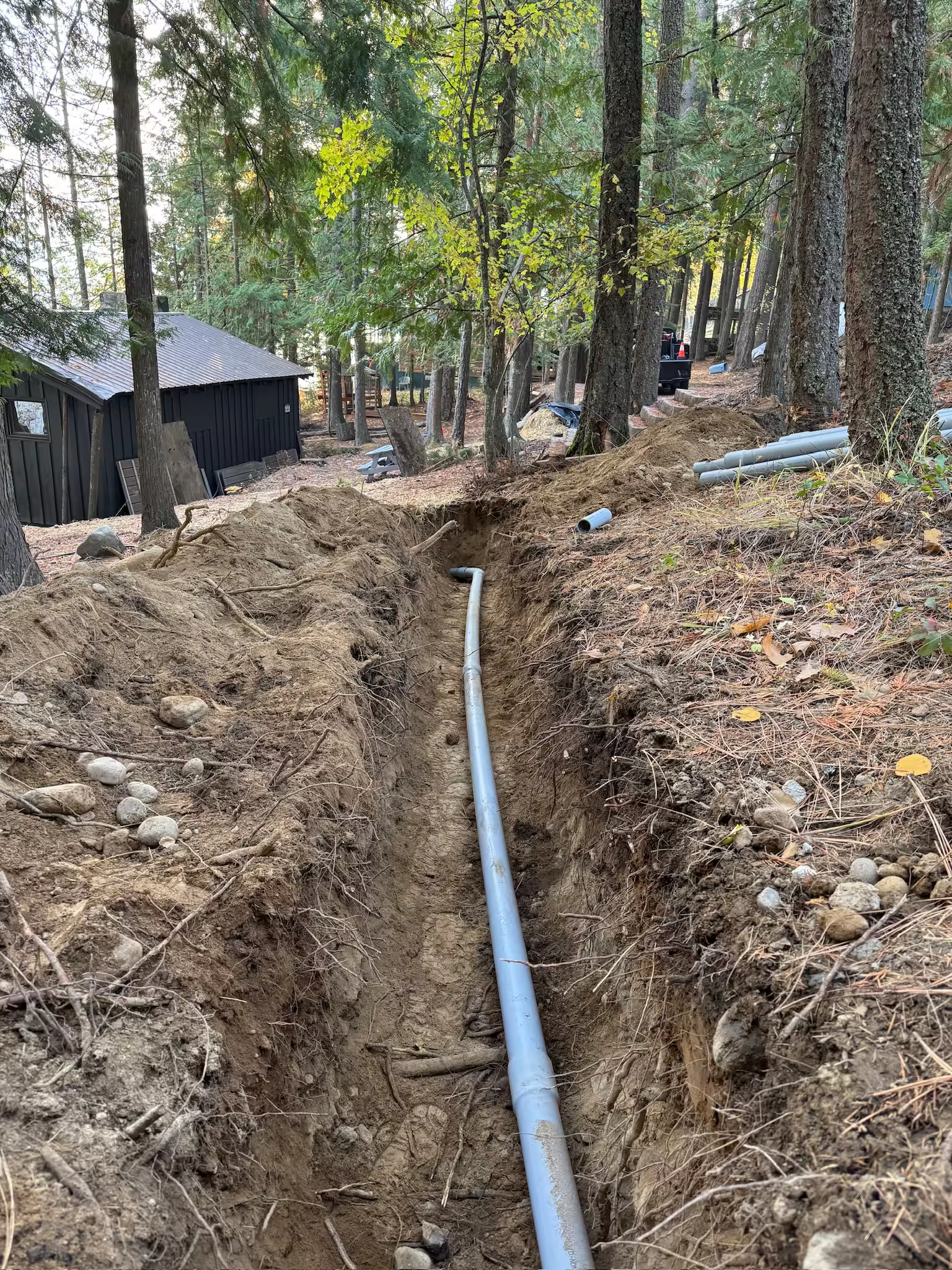
The first portion of the underground power work was completed while we were already on the property for the septic installation.
We ran conduit from the main cabin toward an accessible point where the trench could be extended later. At that stage, the new power pole and final utility schedule were still being worked out.
- ◆Started the underground conversion by running conduit from the main cabin while other excavation work was already underway.
- ◆Stopped at an accessible point where the conduit could be picked back up once the power company was ready.
- ◆Protected the surrounding property by keeping the trench narrow and working around the existing trees and vegetation.




Connecting Both Cabins at the Meter Location
Once the power company had the new service plan ready, we returned to finish the underground runs.
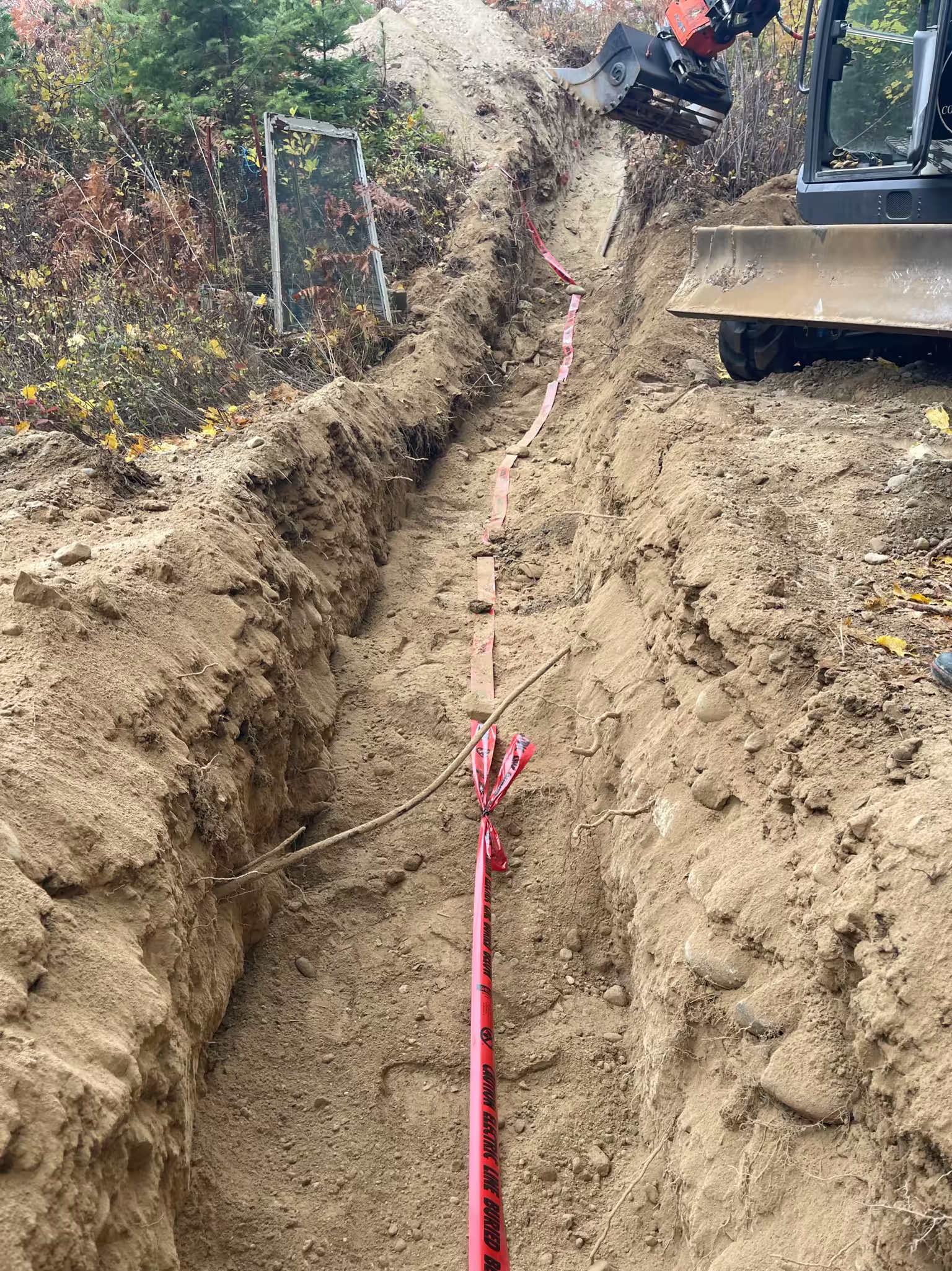
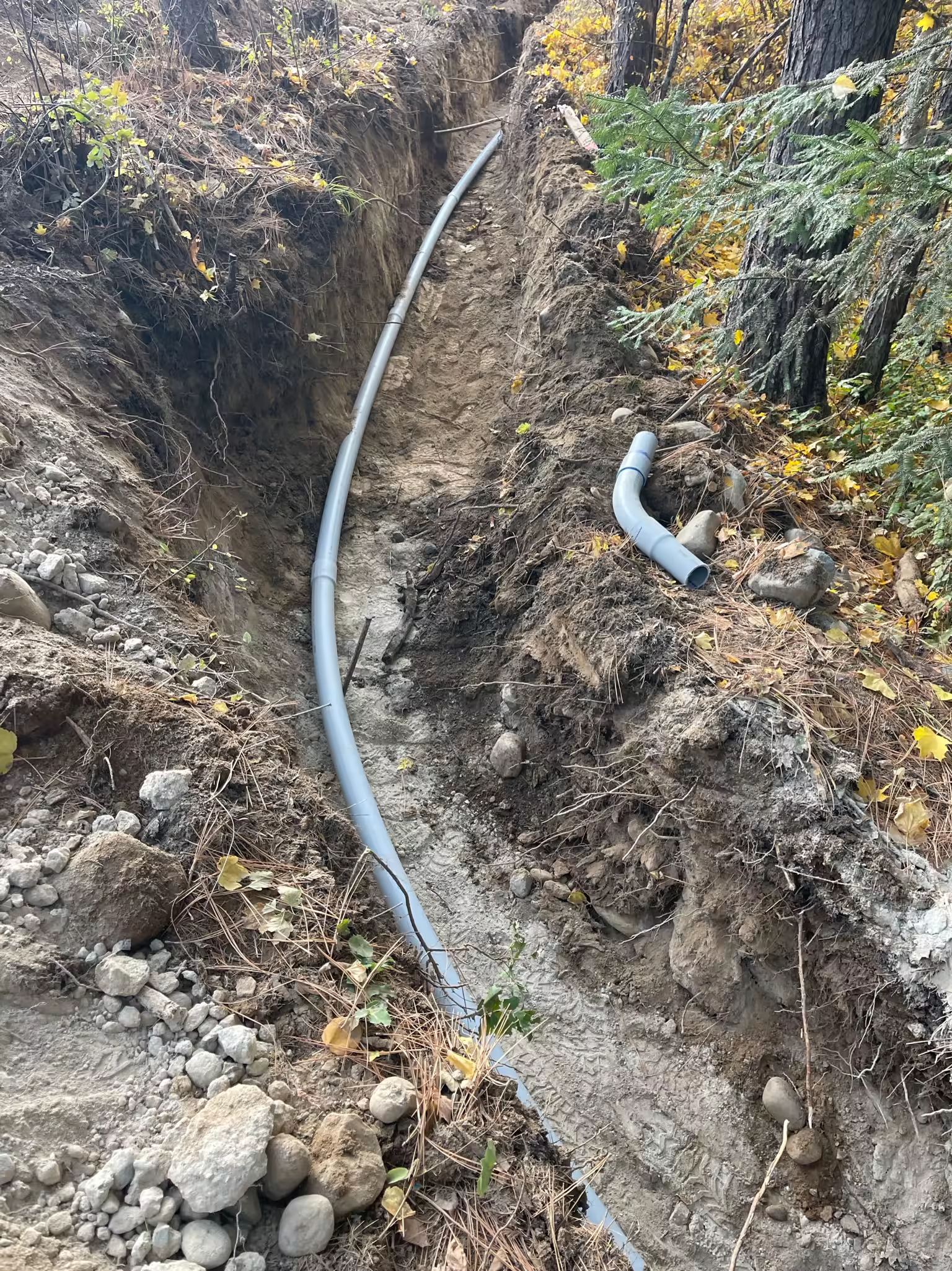
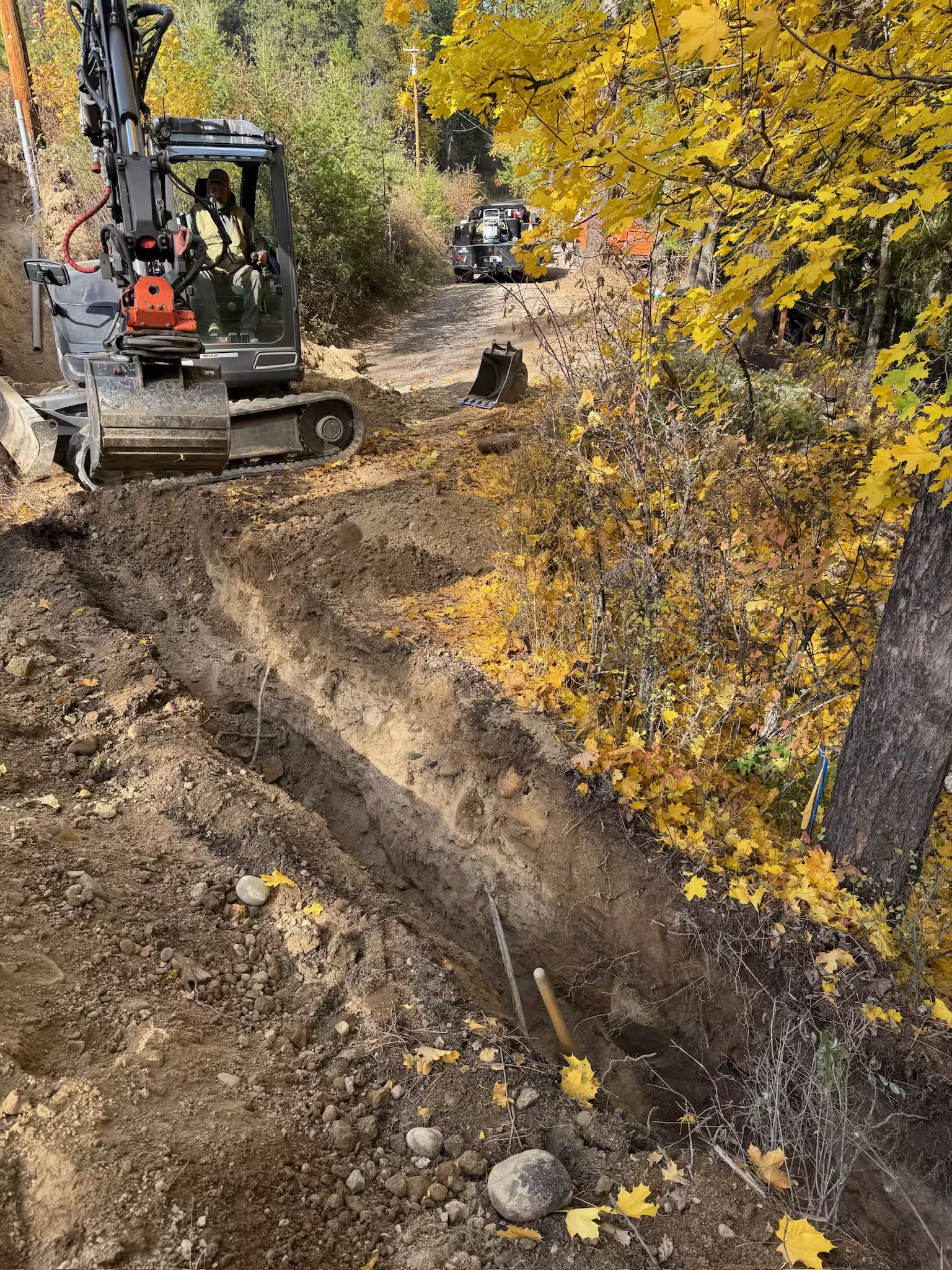
We continued the conduit from the first cabin and excavated a second trench from the neighboring cabin belonging to the owner’s son. Both runs were brought together at the planned meter location, where we set the meter post.
- ◆Extended the first conduit run from the point where the earlier phase had stopped.
- ◆Trenched from the second cabin so both homes could connect to the new underground service setup.
- ◆Set the new meter post at the location where the two cabin runs came together.


Extending to the New Pole and Restoring the Site
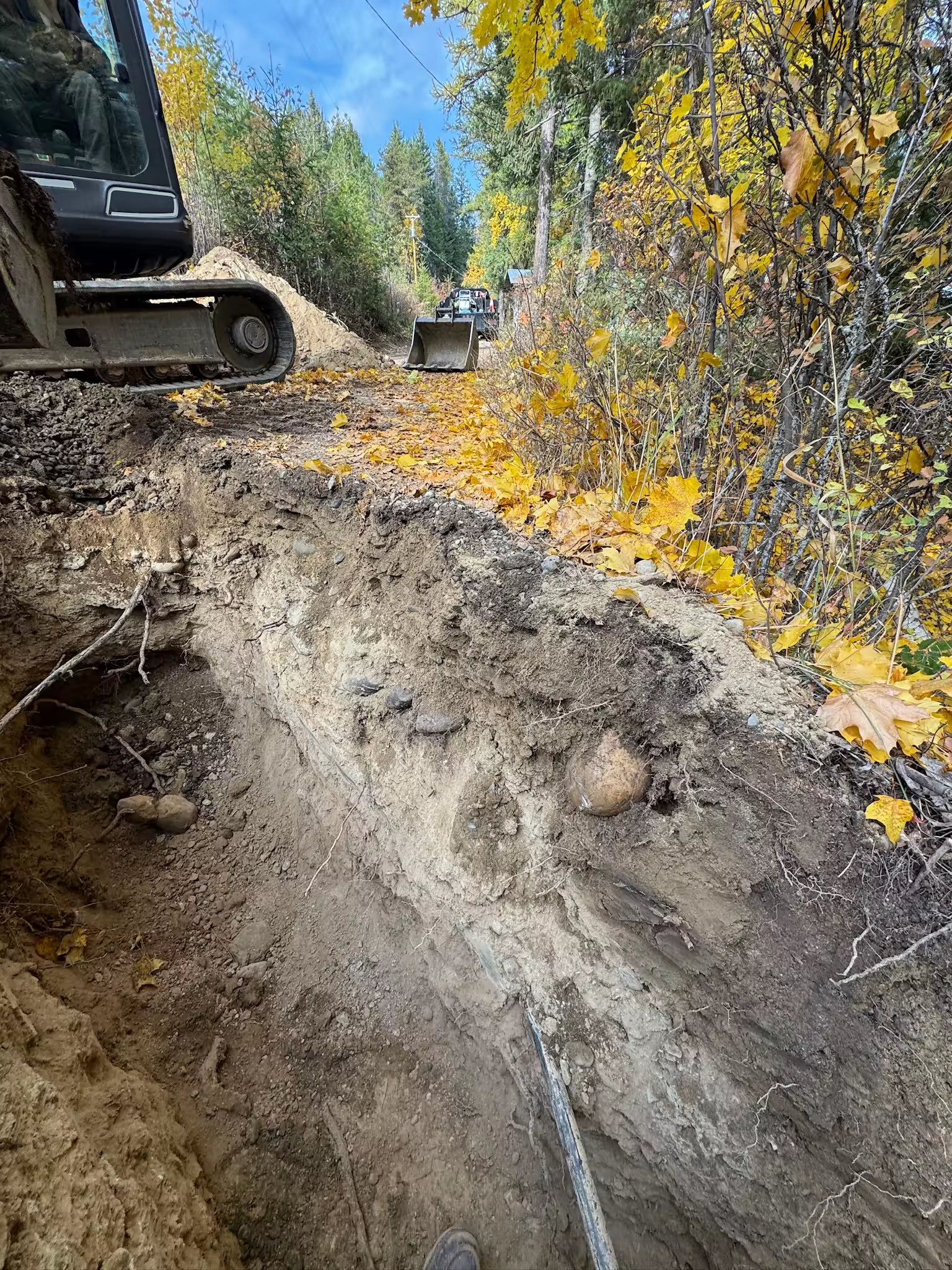
From the meter location, we continued the main trench toward the new power pole across the road and completed the remaining conduit installation.
The trench and conduit were inspected remotely using photos. Once approval was received, we backfilled the open trench and restored the disturbed areas of the property.
- ◆Completed roughly 300 feet of trenching and conduit installation across the full underground power route.
- ◆Extended the main service trench from the meter location toward the new power pole across the road.
- ◆Backfilled and restored the route after the conduit installation passed the required remote inspection.
The Finished Result
By the end of this phase of work, the conduit runs from both cabins had been brought together at the new meter location, the meter post was set, and the remaining conduit route had been inspected, backfilled, and put back together.
The finished utility work was only one part of a longer relationship with the owners. We had already completed septic and road work on the property, and they continued calling us back for additional projects afterward.
For us, that repeat work says more than a polished finished photo ever could on a utility trench that disappears once the ground is closed back up.


Questions About This Project
We’ve answered some of the most common questions about installing underground power for two lake cabins on a tight, sloped property.
How much electrical trenching was installed?
The project included roughly 300 feet of electrical trench with conduit installation, along with setting the meter post for the new underground service.
Why was the power conversion completed in stages?
The power company was still working through permitting, scheduling, and the new pole location when we first started the conduit work.
We installed the first section while we were already on the property, left it at an accessible point, and returned once the remaining utility setup was ready.
How were both cabins connected?
We ran conduit from the main cabin and the neighboring cabin belonging to the owner’s son.
Those routes were brought together at the new meter location before the main service trench continued toward the new power pole.
Were any trees removed for the trench?
No. The homeowners wanted every tree preserved.
We routed the trench and positioned equipment around the existing trees and vegetation while keeping the disturbed area as tight as the site allowed.
How did the tilt rotator help on this project?
The property was tight, moderately wooded, and steep between the road and the cabins.
The tilt rotator allowed us to work at different angles and around existing vegetation with less machine repositioning, which helped limit disturbance across the property.
How was the conduit inspected?
The completed trench and conduit were inspected remotely through photos.
After approval, we backfilled the trench and restored the disturbed areas.
Planning Underground Utility Work on a Tight North Idaho Property?
Trees, slopes, existing buildings, and limited access can all affect how a utility trench gets from one end of a property to the other.
Tell us what utility you need installed, where it needs to run, and what the property looks like. We’ll take a look at the site and figure out the cleanest way to get the work done.