
Septic System Replacement for a Home in Post Falls, Idaho
A homeowner in Post Falls needed a replacement after a septic pumping technician determined that the existing system had failed.
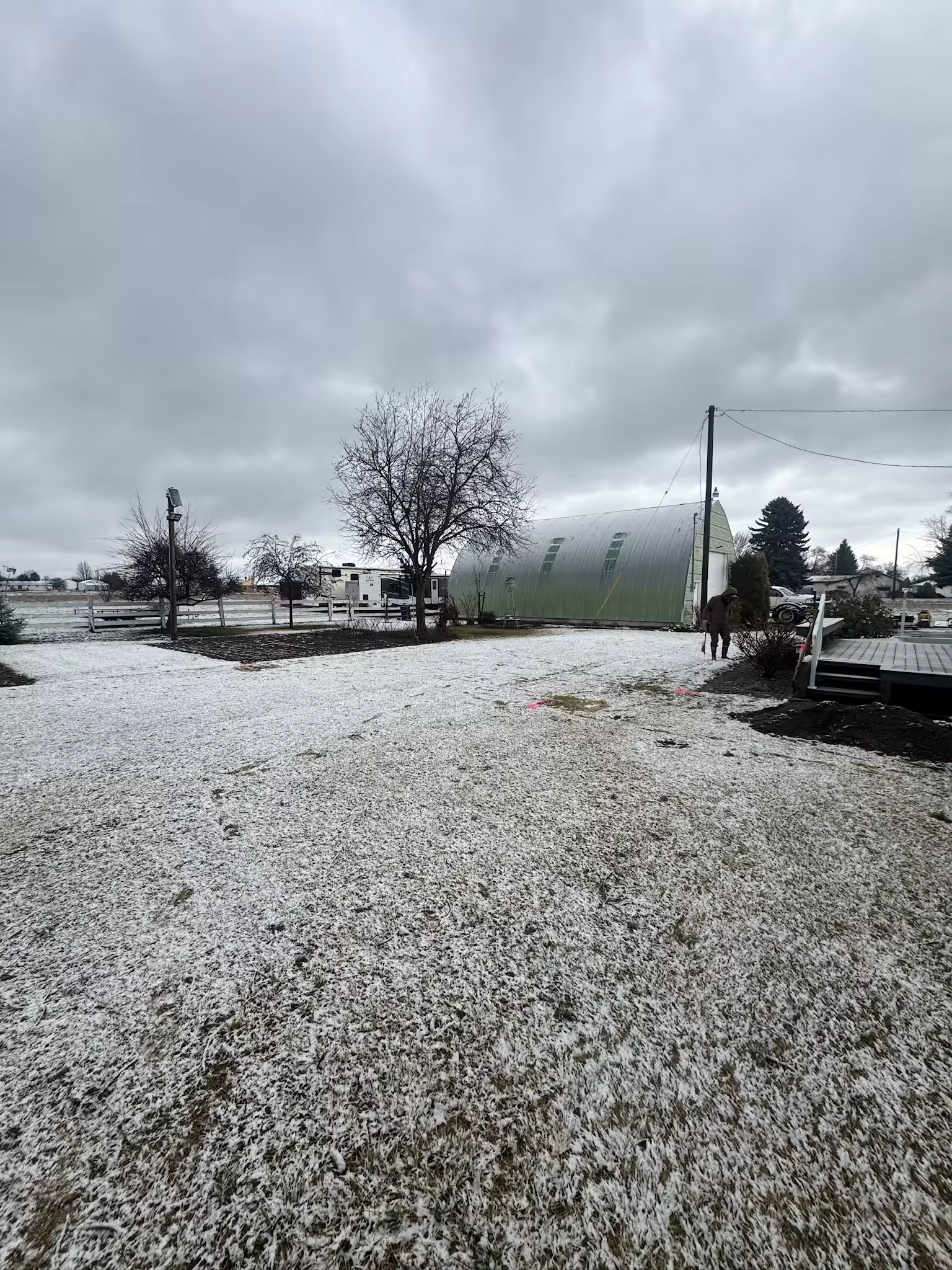
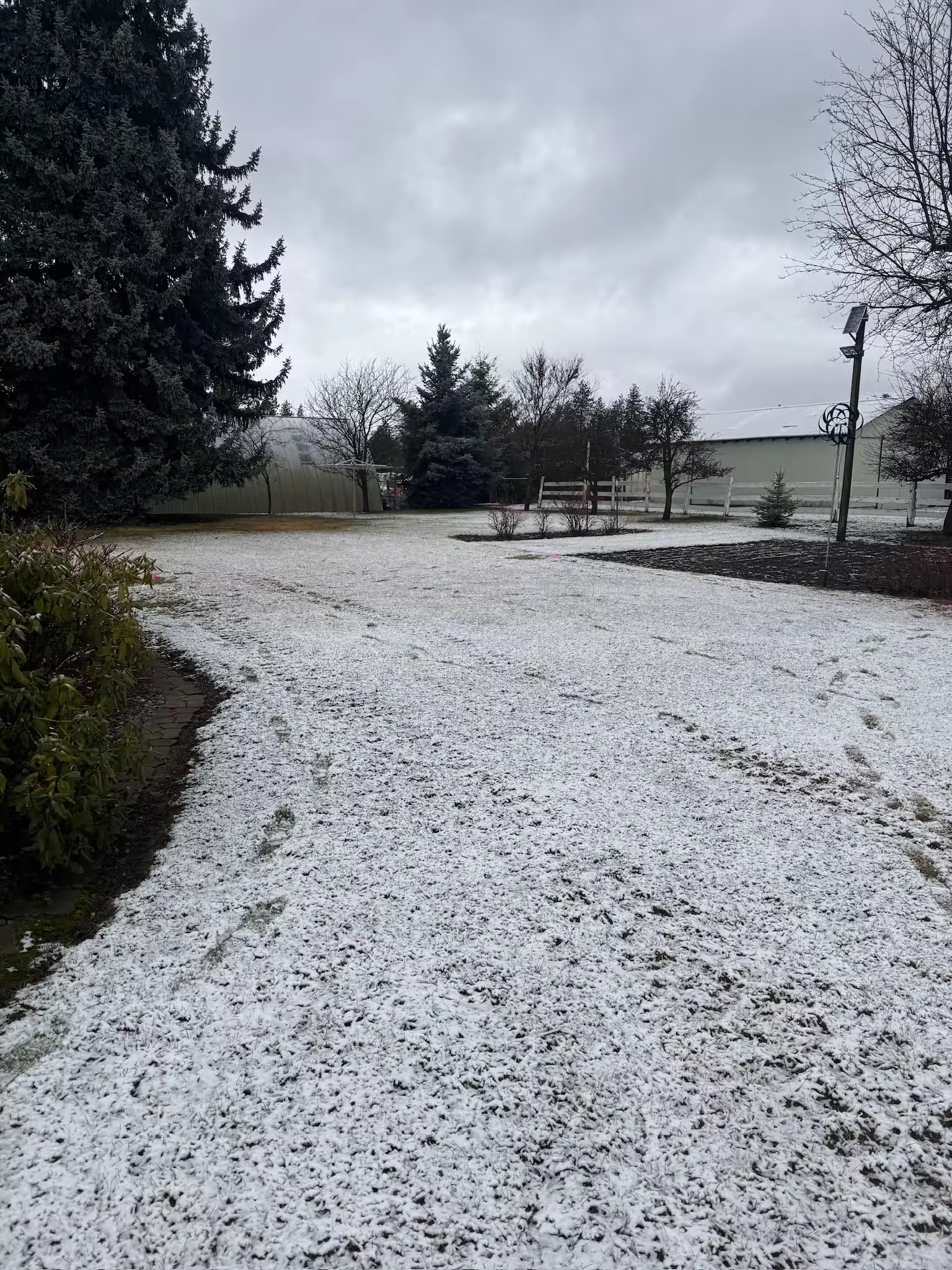
The property covered about five acres, but the new system needed to stay within a roughly 50-by-100-foot backyard area to preserve the rest of the property for future use. The existing tank was deep, the new drain field sat at a different elevation, and the work had to fit around a deck, landscaping, irrigation, and existing structures.
Keeping the New Septic System Inside the Backyard in Post Falls, Idaho
The homeowners had plenty of acreage, but they wanted the replacement system kept within the existing backyard so the rest of the property would remain available for future development and use.
We dug a test hole with the health department and worked through the available options before the final layout was selected.
Once work began, the depth of the existing tank and the conditions around it made the installation more involved than a typical gravity system.
The Tank Sat More Than 5 Feet Deep Beside the Deck
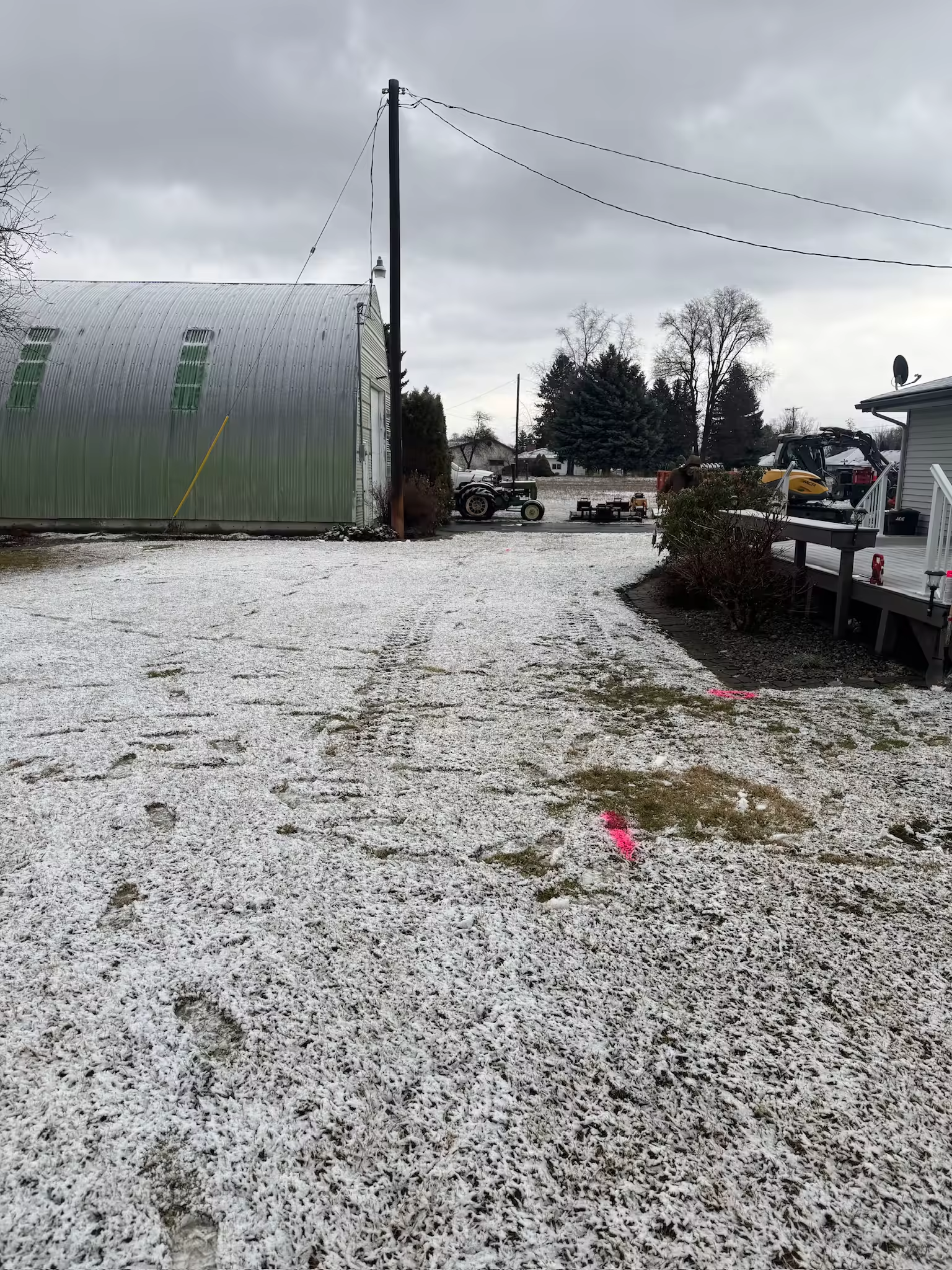
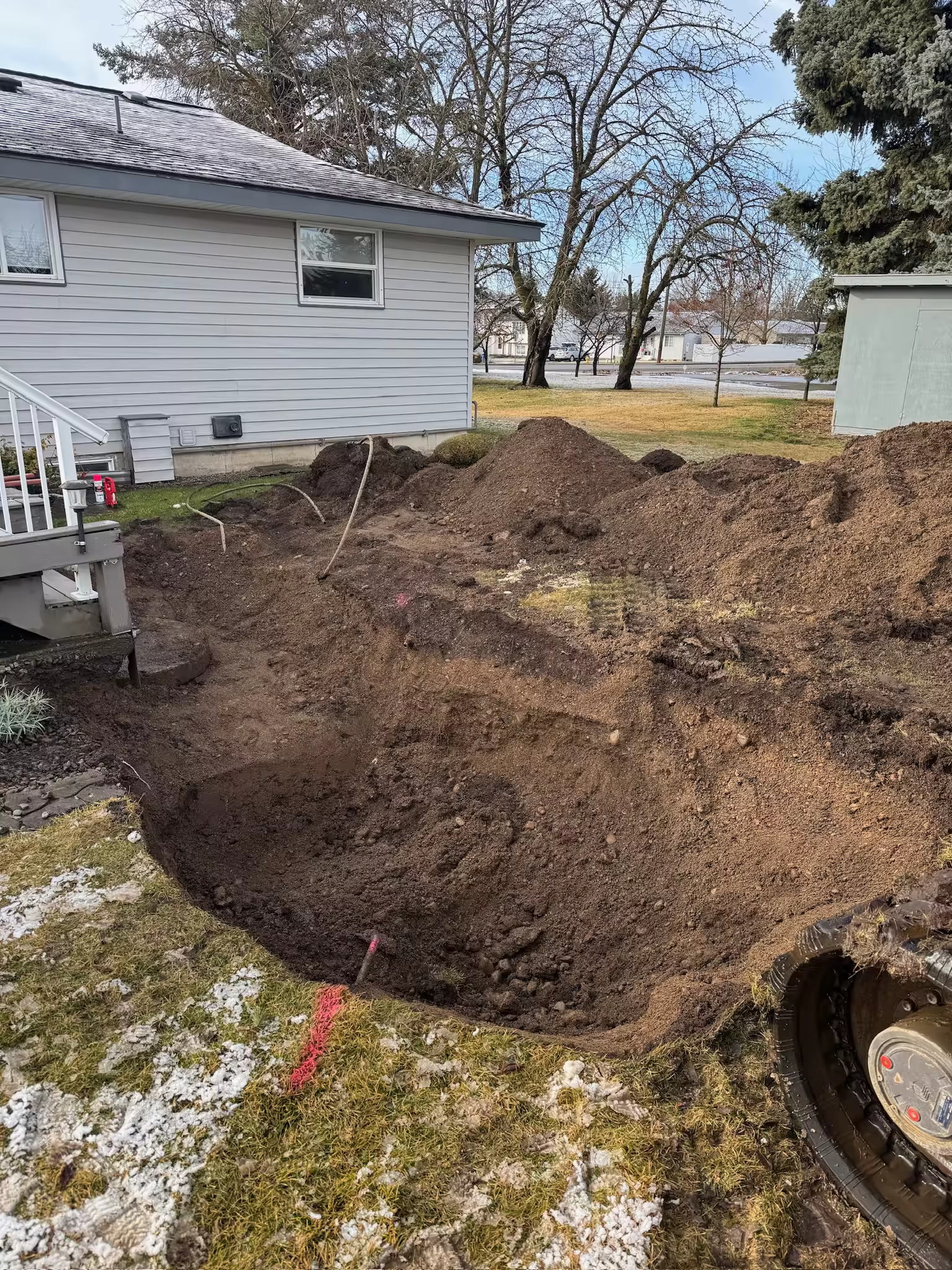
The existing septic tank was unusually deep and sat very close to the house, with part of it extending beneath the deck.
The outfall needed to be exposed so the replacement system could be connected, which required a deep excavation directly beside the existing structure.
The Drain Field Had to Sit Higher Than the Tank
The existing tank was more than 5 feet deep, while the new drain field could not be installed deeper than 4 feet.
That elevation difference meant effluent could not simply flow from the tank into the new field. A pump basin and pump system were needed to move it to the drain field.
The New System Had to Fit Inside a 50-by-100-Foot Yard
Although the overall property was about five acres, the installation was confined to a much smaller backyard area.
The yard was partially landscaped and included a garden and an existing irrigation system that needed to remain intact while the new drain field was installed.
The Pump Basin Excavation Needed Shoring
The coarse sand and gravel on the property provided good conditions for the drain field, but the material was difficult to excavate safely at the depth required for the pump basin.
Shoring was brought in to support the excavation, limit how wide the hole needed to become, and protect the nearby deck while the basin was installed.
An Old Dry Well Sat at the Pump Basin Site
There were no records showing the location or layout of the home’s original drain field.
While excavating for the pump basin, we uncovered an old dry well immediately outside the septic tank in the same area where the basin needed to be installed.
We removed the top of the old dry well and installed the new pump basin inside it, reducing the amount of additional deep excavation required.
The Work
The replacement required coordination between us, the health department, and a local electrical and pump contractor, who handled the pump and electrical work.
The installation took place during cold, wet winter conditions, with the work planned around the deep existing tank, the confined backyard area, the nearby deck, and the irrigation running through the property.
Planning the Replacement System
Before installation could begin, the new septic layout had to be established. We dug a test hole with the health department and worked through several possible solutions with the homeowners. The final plan kept the new drain field in the backyard rather than using more of the five-acre property.
The pump system also required a dependable electrical source, so we worked with the homeowner and a local contractor to determine where power could be supplied from an existing outbuilding.
- ◆Tested the proposed drain-field area with the health department to determine what replacement options would work on the property.
- ◆Kept the system in the backyard so the remaining acreage would stay open for future development and other uses.
- ◆Coordinated the pump requirements with the homeowner and RC Worst, including locating a suitable power source for the new system.



Installing the Pump Basin Beside the Existing Tank
The first major excavation involved exposing the outfall side of the existing septic tank. Because the tank sat more than 5 feet deep beside the deck, the new system required a pump basin capable of collecting the effluent before pumping it up to the higher drain-field elevation.
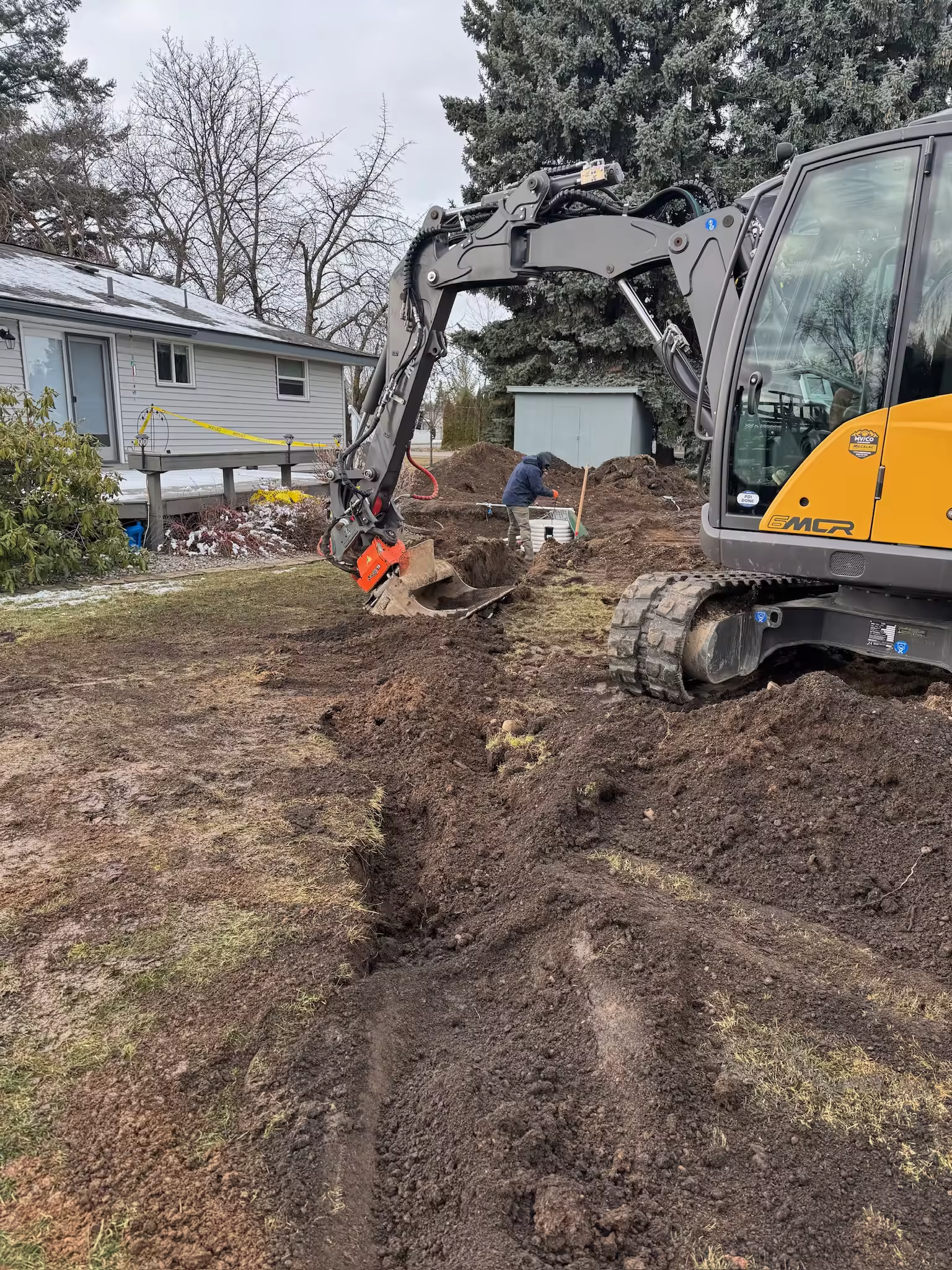
A deep excavation was opened beside the tank, and shoring was installed to keep the sandy material from collapsing into the work area. During excavation, we uncovered the property's old dry well directly where the new basin needed to sit. Its top was removed, allowing the new 12-foot pump basin to be installed within the old structure.
- ◆Exposed the existing tank outfall beside the deck so the new pump system could be connected to the existing septic tank.
- ◆Shored the deep excavation to support the surrounding sandy material and protect the work area beside the deck.
- ◆Installed the new pump basin inside the old dry well after discovering it beneath the planned excavation area.


Connecting the Pump Line and Power
Once the pump basin was installed and partially backfilled, work moved to connecting it with the future drain field. We installed the poly pump line running from the basin toward the drain-field area.
At the same time, the electrical contractor installed the pump and ran electrical conduit from the power source at the outbuilding to the new basin.
- ◆Installed the pump line from the new basin toward the replacement drain field.
- ◆Coordinated the pump installation with RC Worst while the septic excavation and backfill work continued.
- ◆Connected the system layout with the electrical route running from the existing outbuilding to the pump basin.


Installing the New Drain Field
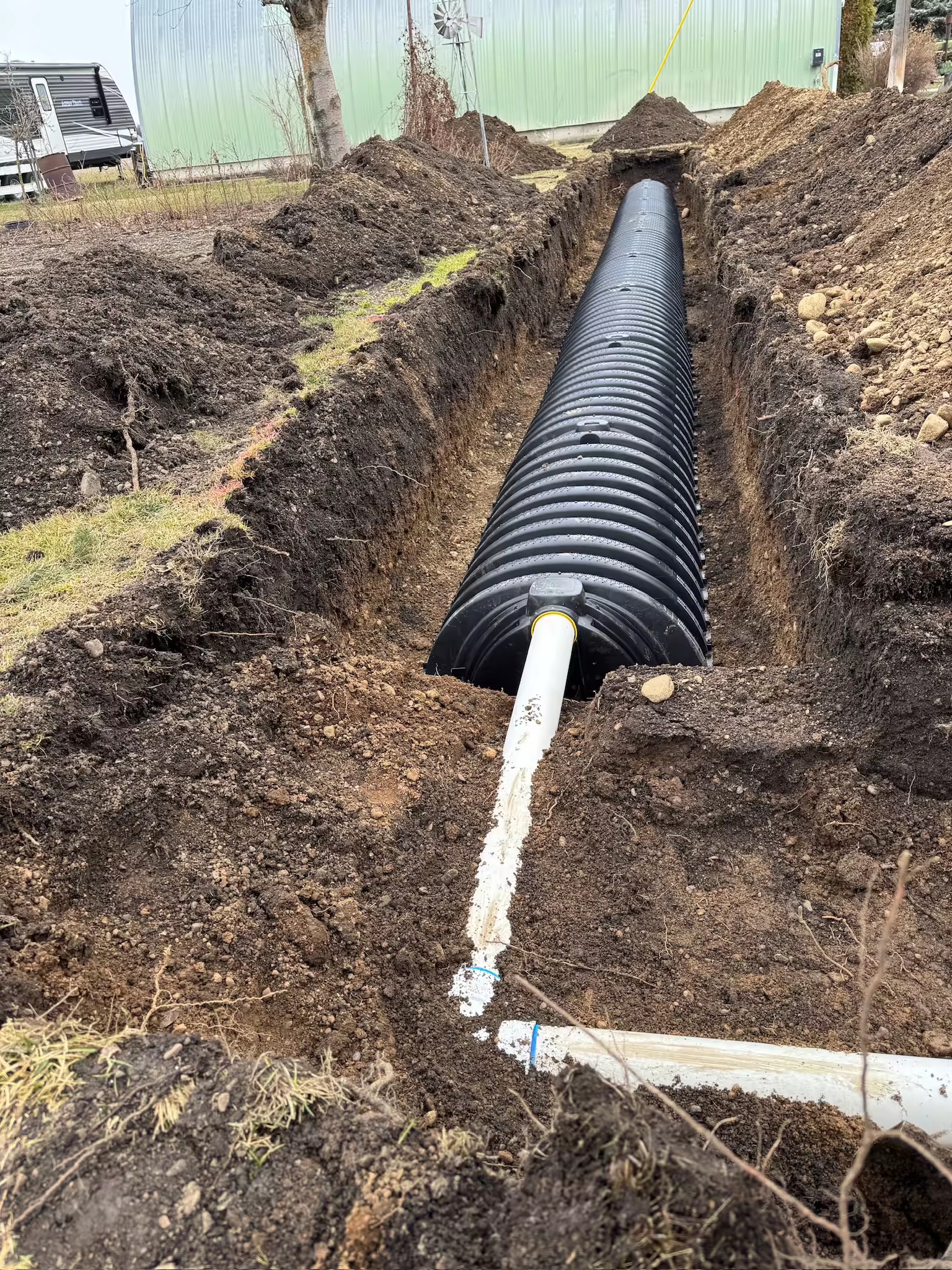
With the pump system in place, we excavated two new drain-field legs across the backyard. The existing irrigation system ran through the same area, so excavation had to be completed carefully to avoid damaging the lines while creating enough room for the replacement field.
The property's coarse sand and gravel provided suitable material for the drain field once the correct layout and depth were established.
- ◆Excavated two drain-field legs across the backyard according to the final replacement layout.
- ◆Worked around existing irrigation to keep the landscaped yard and irrigation system intact during excavation.
- ◆Connected the new drain field to the pump line coming from the basin beside the existing septic tank.
Inspection, Backfill, and Final Grade
Once the pump system and drain field were installed, the project was ready for inspection. We waited for the inspector to approve the installation before any of the open excavation could be backfilled.
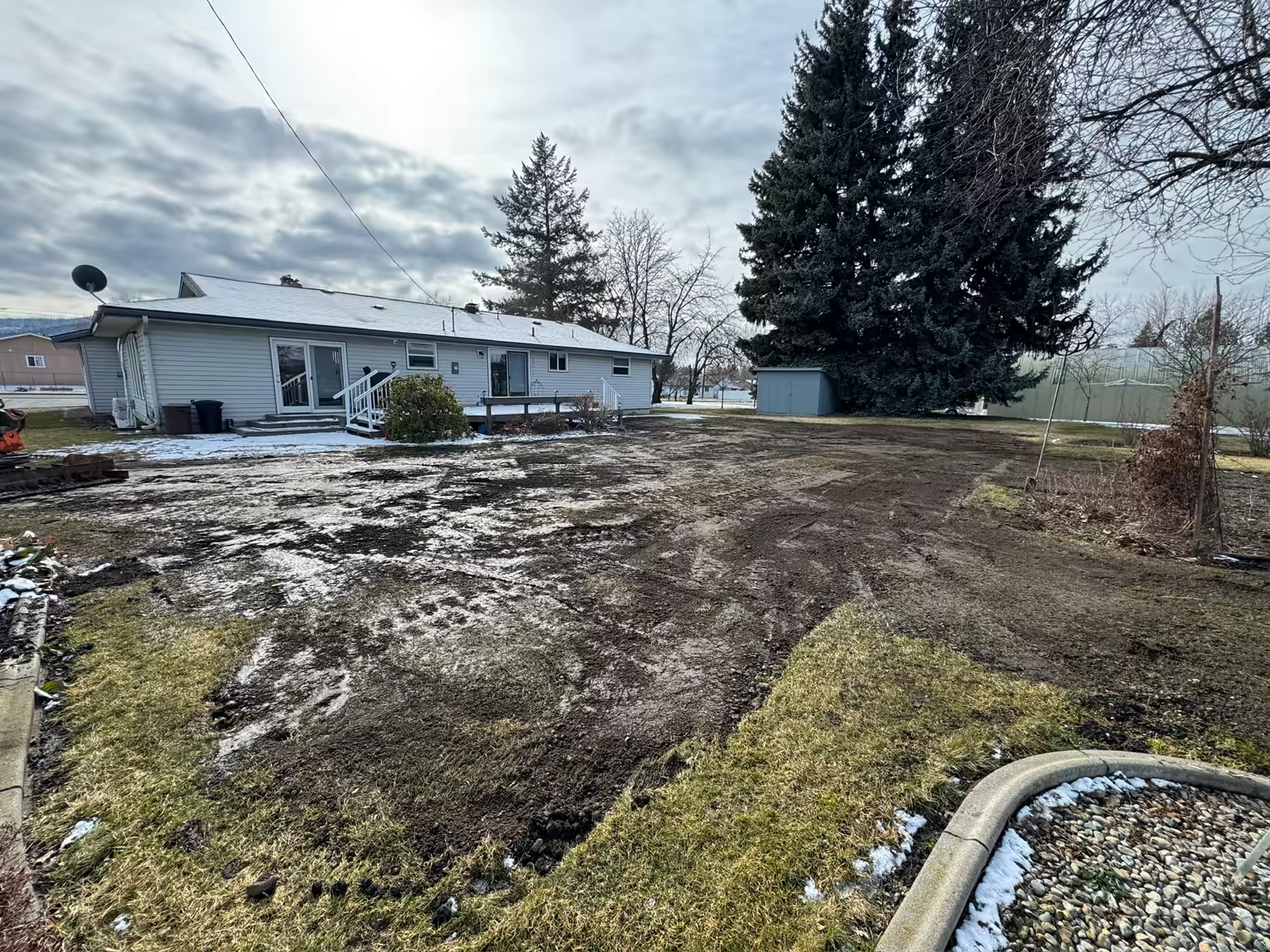
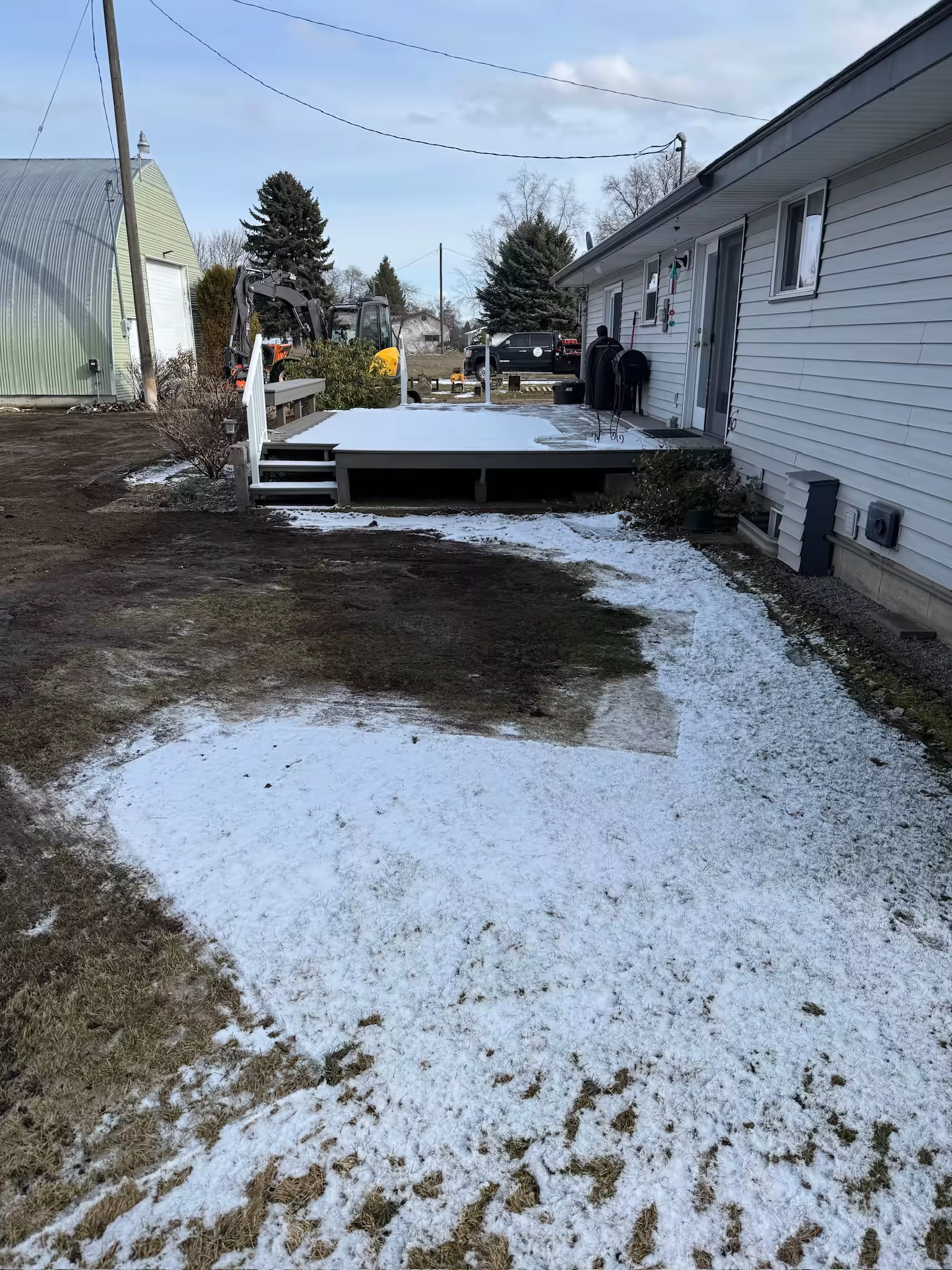
After approval, the system was covered and the disturbed portions of the backyard were graded out to finish the project.
- ◆Held the system open for inspection so the completed installation could be approved before backfilling began.
- ◆Backfilled the new system after receiving approval from the inspector and completing the required connections.
- ◆Restored the final grade across the work area, leaving the backyard smoother than the homeowner had expected after the amount of excavation involved.


The Finished Result
By the end of the project, the replacement system was installed, inspected, backfilled, and graded out across the backyard. The homeowner was especially pleased with how clean the final grade turned out and relieved to have the septic system working again.
For the homeowner, the result was a finished yard and a working system. For us, the final sign of a job well done was a plate of fresh-baked cookies his wife sent home with the crew.





Questions About This Project
Here are answers to common questions about the septic replacement, including the site conditions, pump system, drain field, excavation, and final installation.
Why did this septic system need a pump?
The existing septic tank sat more than 5 feet deep, while the replacement drain field could not be installed deeper than 4 feet.
A pump basin was installed so effluent could collect outside the tank and then be pumped to the higher drain-field elevation.
Why was shoring needed around the pump basin?
The pump basin required a deep excavation in coarse sand and gravel.
That material worked well for the drain field but was prone to collapsing during a deep dig. Shoring supported the excavation while the basin was installed and helped limit the size of the hole beside the existing deck.
How did we work around the existing irrigation system?
The two drain-field legs crossed a landscaped portion of the backyard where irrigation lines were already installed.
The excavation was completed carefully around those existing lines so the replacement septic system could be installed without unnecessarily tearing apart the irrigation system.
What happened when the old dry well was discovered?
There were no records showing where the home's original drain field had been located.
While digging beside the septic tank, we found an old dry well directly where the new pump basin was planned. The top was removed and the new basin was installed inside the old dry well, which reduced the amount of additional deep excavation required.
Who handled the pump and electrical work?
We handled the septic excavation, pump-basin installation, pump line, drain field, backfill, and grading.
RC Worst installed the pump itself and the electrical conduit running from the property's outbuilding to the pump basin.
Did the project require an inspection?
Yes. The completed installation had to remain open until the inspector arrived and approved the work.
Once the system received approval, we backfilled the excavation and completed the final grading.
Need to Replace a Failed Septic System in North Idaho?
A replacement can involve more than digging a new drain field, especially when the existing tank is deep, the property is already developed, or the new system requires a pump.
Tell us what is happening with your system, where the property is, and what you already know about the existing septic. We'll take a look at the site and help determine what the replacement will require.